
- Home
- Our Programme
- Treatment Method
- DBT Treatment
DBT Therapy in Thailand
Dialectical Behaviour Therapy (DBT) is one of the most effective treatments for emotional dysregulation, borderline personality disorder (BPD), and co-occurring mental health conditions. It teaches practical skills you can use immediately to manage intense emotions, improve relationships, and build a life worth living.
At The Dawn in Chiang Mai, Thailand, DBT therapy is integrated into our Treatment Roadmap as part of a comprehensive, personalised approach. Our residential setting removes you far from the triggers and stressors of your home environment—the relationships, pressures, and situations that activate intense emotions—giving you space to focus entirely on learning and practising these skills. Rather than offering DBT in isolation, we combine it with individual therapy, trauma processing when needed, and wellness practices, so the skills become second nature before you return to daily life.
What Conditions Does DBT Treat?
DBT was originally developed for borderline personality disorder and remains the gold standard treatment for BPD. However, research has shown it is effective for a wide range of conditions involving emotional dysregulation.
At The Dawn, we use DBT to help clients with:
- Borderline personality disorder (BPD)
- Emotional dysregulation and mood instability
- Self-harm behaviours and suicidal ideation
- Anxiety and depression with emotional intensity
- Substance use disorders (particularly when emotions drive use)
- Eating disorders
- Relationship difficulties and interpersonal conflict
What is DBT Therapy Thailand in Mental Health Services and How Does It Work?
DBT combines cognitive-behavioural techniques with mindfulness practices. The “dialectical” approach means holding two things as true at once: accepting yourself as you are and working to change. This balance of acceptance and change is central to DBT.
Unlike traditional talk therapy that focuses primarily on insight, DBT is skills-based. You will learn specific techniques and practise them until they become second nature.
The Four Core Skills of Dialectical Behaviour Therapy in a Thailand Rehab
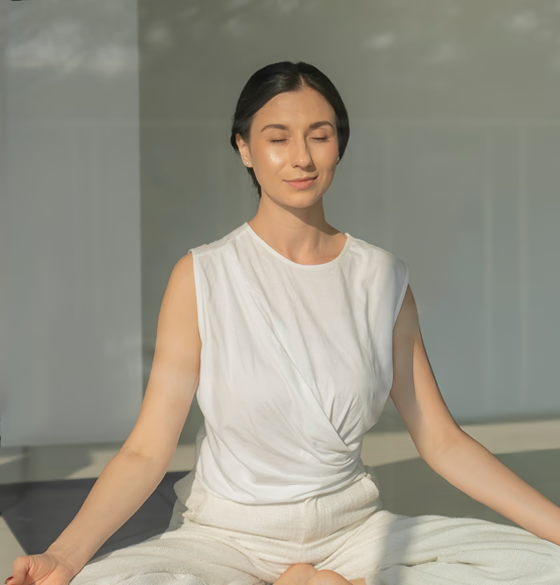
- Mindfulness – The foundation of DBT. Learning to be present in the moment without judgment, observing your thoughts and feelings without being controlled by them.
- Distress Tolerance – Skills for surviving crisis moments without making things worse. These help you get through intense emotions without resorting to harmful behaviours.
- Emotion Regulation – Understanding your emotions, reducing vulnerability to negative emotions, and increasing positive experiences.
- Interpersonal Effectiveness – Communicating your needs, setting boundaries, and maintaining self-respect in relationships.
What to Expect During DBT Treatment
DBT at The Dawn includes both individual and group components, as research shows this combination produces the best outcomes.
- Individual therapy – Weekly one-on-one sessions with your therapist to work on personal goals, address behaviours, and apply DBT skills to your specific situation.
- Group skills training – Structured sessions where you learn and practise the four core DBT skills alongside others. The group setting provides opportunities to practise interpersonal skills in real time.
- Skills coaching – Support between sessions to help you apply what you are learning in real-life situations.
Sessions focus on building skills progressively. Your therapist will help you identify which skills are most relevant to your situation and practise applying them to real challenges you face.
“In the beginning, using DBT skills feels awkward and forced. But with practice, they become your default response. Clients often tell me months later that they handled a crisis without even realising they were using the skills.”
— Alexandria Barley
Psychotherapist
(IC&RC UK and Europe)
Degree in Applied Psychology in Counselling and Communications

How Long Does DBT Treatment Take?
DBT is designed as a longer-term treatment because lasting change takes time and practice. The skills need to be learned, practised, and reinforced until they become automatic responses.
At The Dawn, we recommend:
- A minimum 4-week stay to learn the foundational skills
- 8-12 weeks for more comprehensive DBT treatment
- Individual and group sessions multiple times per week
Many clients continue practising DBT skills after leaving residential treatment. You will leave with a clear understanding of the skills and how to apply them independently.
Why Choose a Residential DBT Retreat in Chiang Mai, Thailand
DBT can be done on an outpatient basis, so why consider a residential DBT retreat?
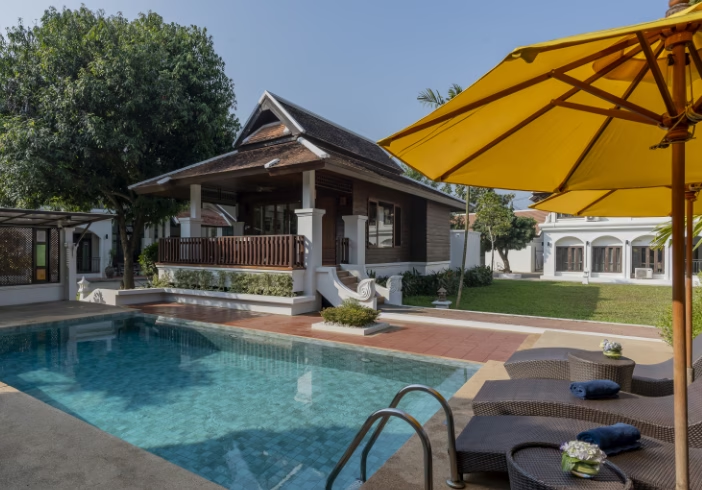


Learning to manage intense emotions is difficult when you are surrounded by the same triggers and stressors that contributed to your struggles. DBT requires consistent practice – and that practice is harder when you are trying to apply new skills while managing work, relationships, and the daily pressures of your regular environment.
At The Dawn, we provide:
- Real-time skills practice – In residential treatment, you are not just learning DBT in a weekly session and then returning to old patterns. You practise skills throughout the day in a supportive community.
- Immersive learning environment – DBT teaches communication and relationship skills, but these are difficult to practise alone. Our community provides opportunities to set boundaries, navigate conflict, and build healthier relationship patterns.
- 24-hour support – Trained staff available whenever intense emotions arise, helping you apply your skills in the moment.
- Complementary therapies – Mindfulness meditation, yoga, and wellness activities that reinforce DBT’s core principles.
- Peer community – Others going through similar challenges, providing real-world opportunities to practise interpersonal effectiveness skills.
How much does residential DBT treatment cost?
−Treatment costs vary based on length of stay, accommodation choice, and specific clinical needs. Contact our admissions team for a personalised quote at The Dawn.
Can DBT help with substance abuse and BPD together?
+Yes. DBT is particularly effective for co-occurring conditions. Many people with BPD use substances to cope with intense emotions. DBT addresses this directly by teaching healthier ways to manage emotional distress. At The Dawn, we treat both conditions together rather than separately.
What happens after DBT treatment?
+Clients typically report better emotional control, improved relationships, and reduced impulsive behaviours. The skills you learn become tools you can use for life. Many clients find they can handle situations that previously felt overwhelming.
Is trauma-focused DBT available?
+Yes. For clients with trauma histories, we can incorporate trauma-focused DBT (TF-DBT) which combines standard DBT skills with trauma processing. This is available as part of our Trauma Programme for clients who need more intensive trauma work.